
Boundaries That Define Space and Last
Fence Installation in Santa Rosa for properties requiring security, livestock containment, or clear boundary definition
Fence posts fail when they sit in shallow holes or lack concrete footings adequate for soil type and fence height, leaving sections that lean within two years or collapse during the first significant wind event. Properties across Santa Rosa range from suburban lots needing privacy screens to rural parcels where livestock fencing must handle animal pressure and gate traffic without sagging. Brodie Castle Landcare installs fencing coordinated with landscape and construction projects, ensuring post depths match soil conditions—the clay common in valley areas requires different footing approaches than rocky hillside ground—and gate hardware tolerates repetitive use without binding or dropping out of alignment.
Installation involves setting posts at intervals appropriate for fence type and load, running rails or mesh tensioned to prevent sagging, and hanging gates that swing freely without dragging. Wood fences require posts embedded below frost line in concrete, while wire livestock fencing uses driven posts braced at corners and tension points. Materials and styles vary from decorative wood picket to functional chain link to agricultural field fence, each suited to different purposes and maintenance tolerances.
Schedule a free estimate and site measurement to review fencing options matched to your property's layout and intended use.
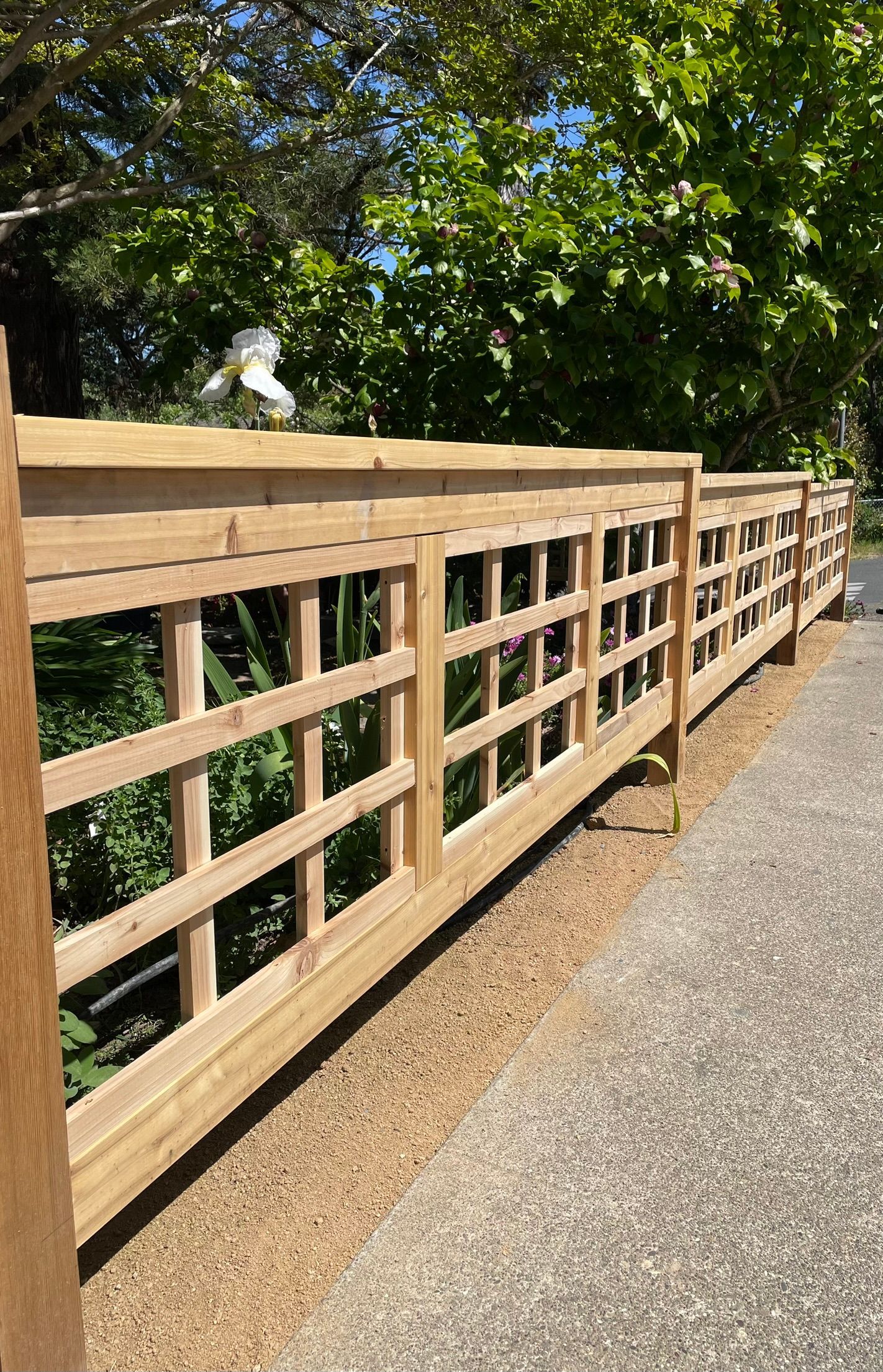
What Proper Fence Installation Accomplishes
Solid installation starts with locating property lines accurately and checking local setback requirements before digging, not assuming boundaries or discovering encroachments after posts are set. Post holes extend below seasonal frost depth and receive concrete footings mixed to proper consistency—too wet and they cure weak, too dry and voids form around posts. Rails attach with hardware that resists rust in coastal moisture, and tension wires on livestock fencing get crimped at proper tightness to prevent sagging without overstressing posts.
After installation, you see fence lines that run straight without wavering, gates that latch securely and swing without lifting or binding, and posts that remain plumb through seasonal ground movement. Privacy fences block sightlines completely rather than leaving gaps where boards warp, and livestock fencing holds tension across spans without the dips that let animals push under or the loose wire that invites climbing.
The service includes post setting, rail or mesh installation, gate hanging, and coordination with existing landscape features or ongoing construction. It does not include removing existing fencing or addressing property line disputes, though site walks identify potential conflicts before work begins. Material selection guidance helps match fence type to functional needs, aesthetic preferences, and long-term durability expectations.
What Property Owners Usually Ask
Fencing projects involve decisions about materials, placement, and construction methods that affect both immediate function and how installations age.
What post depth prevents leaning and failure?
Wood fence posts supporting six-foot panels typically need holes thirty inches deep with concrete footings, while corner and gate posts require an additional six inches and diagonal bracing to handle lateral stress. Properties with sandy or loose soil may need deeper footings or larger diameter holes to achieve the same stability clay soils provide at standard depths.
How does material choice affect maintenance over time?
Pressure-treated wood resists rot but requires periodic staining or sealing to prevent weathering, vinyl stays maintenance-free but cracks under impact, and metal fencing lasts longest but shows rust if protective coatings fail. Cedar weathers to gray naturally without treatment but costs more initially than treated pine.
When should fencing coordinate with other property work?
New construction, major landscaping, or grading projects benefit from installing fencing after heavy equipment access is complete but before final plantings go in, preventing damage to finished fence sections while maintaining site access for machinery.
What gate hardware prevents sagging and alignment issues?
Strap hinges with adjustable pintles mounted to posts set in concrete allow for leveling as gates settle, while spring-loaded latches compensate for minor misalignment better than rigid bolt latches that bind when posts shift slightly through seasonal ground movement common in Sonoma County clay soils.
How does fence style affect property value and permitting?
Decorative wood or composite privacy fences typically add more perceived value in residential neighborhoods than chain link, though functional agricultural fencing suits rural parcels better. Local zoning may restrict height, placement, or style in front yards or near roadways, requiring permit review before installation begins.
Brodie Castle Landcare coordinates fence installation with broader property projects and builds to standards that prevent the sagging and failure common when post setting gets rushed. Arrange a free estimate to review fencing approaches suited to your site conditions and functional requirements.